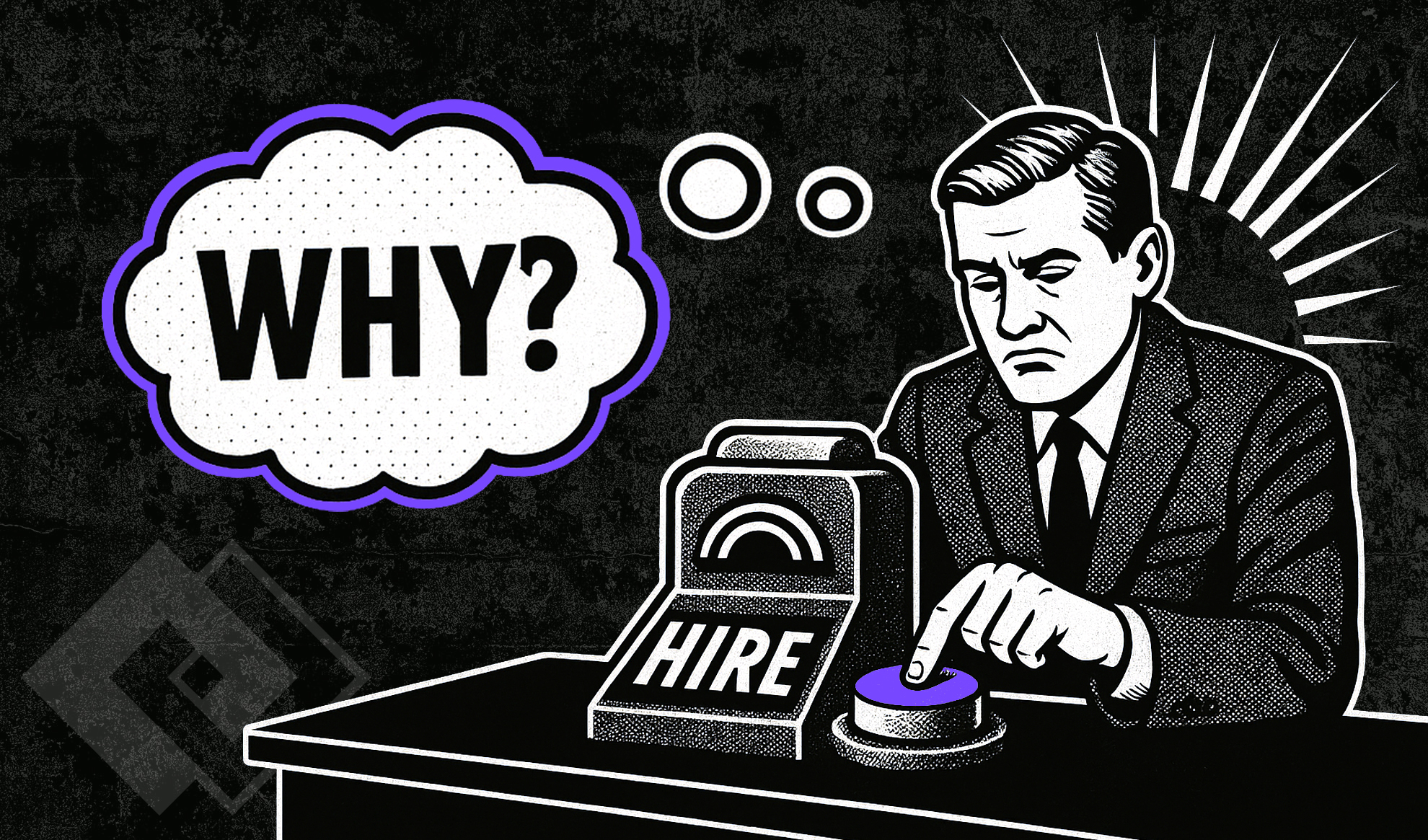






Most job descriptions are not written. They are inherited.
Someone digs out an old file, tweaks a line about duties, updates the salary and location, and considers the job done. It looks tidy on paper, but it can be miles away from what the team actually needs today.
When nearly half of new hires fail within the first 18 months, and most of those failures come down to attitude and behaviour rather than a lack of skills, shaping the role properly becomes one of the most important steps in the whole recruitment journey.
Get this wrong and everything that follows has to work harder to compensate.
Why Job Descriptions Often Miss the Mark
Plenty of people will tell you the same thing. The job they walked into did not quite match the job they applied for.
When job descriptions lag behind reality, you end up with:
- New starters who feel misaligned or misled
- Managers who expected something different
- Higher turnover and frustration
- Hiring that feels reactive rather than strategic
These problems are rarely caused by candidates. They usually stem from job descriptions built on assumptions or templates that no longer reflect what the role actually is.
Start With People, Not Paperwork
The best way to shape a role is to start with a conversation.
Ask the hiring manager who they actually need, not what the old job description says. Recruitment should lead this conversation with confidence. That is how you shift from order taker to strategic partner.
Questions that unlock real clarity include:
- What three to five things does the ideal candidate genuinely need?
- What behaviours help someone thrive in this team?
- What kind of environment are they coming from today?
- What has changed since the last time we hired for this role?
You quickly move from a list of tasks to a picture of a person.
And that is where quality hiring starts.
Behaviour Fit Beats a Perfect CV
Most hiring failures are not caused by a lack of technical ability. They usually come down to temperament, values, emotional intelligence or resilience. The things that influence how someone actually performs once they arrive.
In healthcare and social care, this is even more important. Roles often demand warmth, patience, boundaries, empathy, calm decision making and emotional resilience. All things you cannot see on a CV.
This is also where your EVP quietly earns its keep. If you are clear on why people join you, why they stay, and what they can expect from the experience, shaping the role becomes more accurate and more honest. It gives the hiring manager and the recruiter shared language for the type of person who will genuinely thrive.
If you do have a formal EVP or Talent Value Proposition in place, this is the moment it adds real value. It helps you describe how the role connects to your purpose and what someone can expect in return.
If you do not have an EVP, you can still shape roles well. You simply need clarity on what great looks like, what the role contributes to the organisation, and what someone should realistically expect when they join.
If you want to explore what an EVP looks like in practice, you can read more here:
https://audiencelink.co.uk/services/employee-value-proposition/
Align the Role With Today, Not Yesterday
Roles evolve. Teams shift. Digital tools change what work looks like. Services move faster than job descriptions do.
A support worker role written eight years ago might not reflect the digital systems, multidisciplinary coordination or family engagement expected today. If none of that makes it into the description, you risk hiring someone for a role that no longer exists.
Good role shaping asks simple but powerful questions:
- What has changed in this service or team?
- What does success look like over the next 12 to 24 months?
- Which responsibilities are truly essential and which could move or be adapted?
- Does this description still match real life?
When you define the role for the present, not the past, everything else becomes smoother, from attraction to retention.
Turning the Brief Into Something Better
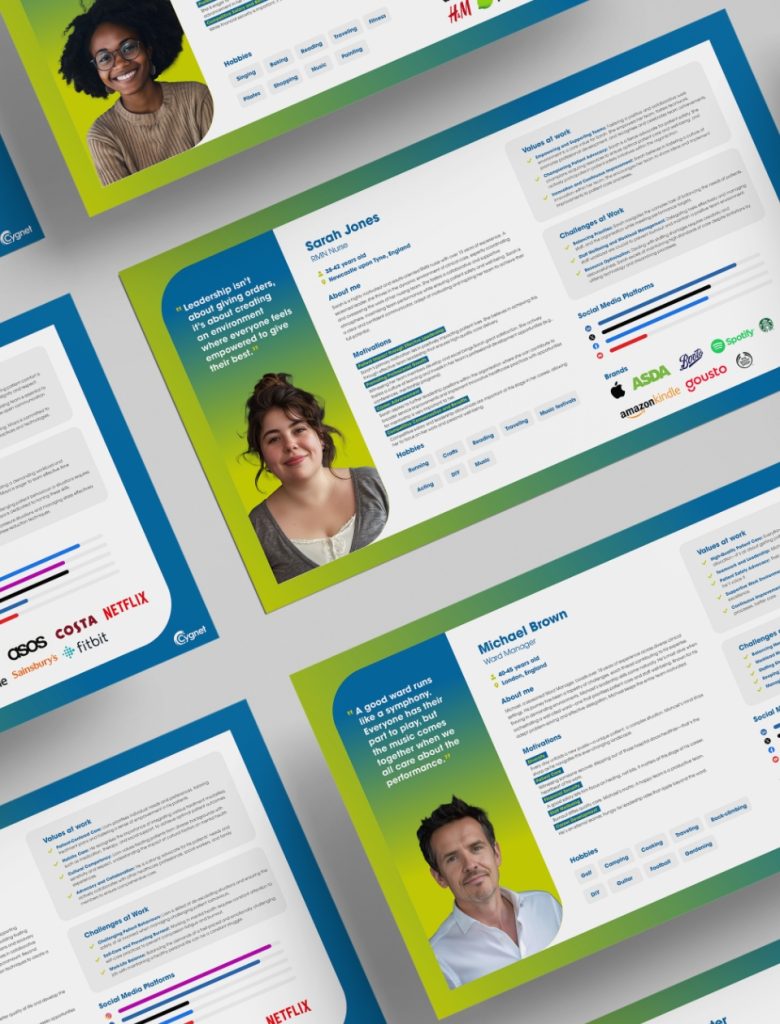
Once the conversation is done, the paperwork finally has something real to anchor to.
A well shaped role will:
- Separate true essentials from the nice to haves
- Describe behaviours, not just duties
- Reflect the actual day-to-day environment
- Align with the values and expectations your organisation sets
- Feel believable, specific and grounded in today’s reality
Candidates can feel the difference. Hiring managers can feel the difference.
And the quality of your shortlist changes dramatically.
Action Steps
Lead the briefing conversation with confidence
Ask questions that get beyond tasks and into behaviours and expectations
Start with who, then define what
Shape the person first, then build the job description around them
Build in behaviours and values
Show how someone is expected to show up, not just what they will do
Refresh the JD every time
Treat each vacancy as its own opportunity, not a copy and paste moment
Sense check against your EVP or core values
Ask whether the role, as described, reflects what your organisation promises to its peopleShaping the role is not admin.
It is the first moment you decide who you want to attract and what kind of organisation you are trying to build.
Get this part right and everything that follows becomes easier, fairer and far more effective.
Part of The Tools of Transformation Series
This article forms part of The Tools of Transformation, a practical guide created by AudienceLink to help recruitment and talent leaders rethink every stage of the hiring journey.
If you missed the first article in the series, you can catch up here:
Stop Hiring on Autopilot: Why Every Recruitment Should Start With “Why?”
https://audiencelink.co.uk/blog/stop-hiring-on-autopilot-why-every-recruitment-should-start-with-why/
If this stage of the process feels familiar, or you are navigating similar challenges in your own organisation, the team is always happy to share insight or practical advice.
The next blog in the series will explore how to turn a well shaped role into advertising that actually works.